

Nephrology in the News: Ozempic for Kidney Disease

If you or a loved one are living with chronic kidney disease (CKD) and type 2 diabetes, there is promising news that could positively impact your health. On January 28, 2025, the U.S. Food and Drug Administration (FDA) officially approved Ozempic (semaglutide) as a treatment for CKD in patients with type 2 diabetes. This approval […]
Happy National Kidney Month from Northlake Nephrology

March is National Kidney Awareness Month, a time dedicated to raising awareness about kidney health and the prevention of kidney disease. The kidneys play a crucial role in filtering waste, balancing electrolytes, and regulating blood pressure, yet millions of people are affected by kidney disease—often without realizing it. Understanding the risk factors and taking proactive […]
Endothelin Receptor Antagonists

Endothelins are a group of strong vasoconstricting peptides. While vasoconstricting properties led to their discovery, endothelins are produced throughout the body and have receptors in virtually all cells. In addition to vascular effects, the endothelin system is intimately involved in a myriad of physiological processes including immunity, inflammation, embryonal development, growth, hypertrophy, fibrosis, and scarring. […]
What is Hyperchloremic Metabolic Acidosis?

Hyperchloremic metabolic acidosis is characterized by a decrease in serum bicarbonate accompanied with an equal increase in serum chloride. This condition may result from bicarbonate loss which exceeds what the kidneys can regenerate via ammonium excretion. It may also result from reduced renal bicarbonate generation, again via ammonium excretion, which is unable to buffer the […]
Overview of Chronic Kidney Disease

Chronic Kidney Disease (CKD) is a condition characterized by a gradual loss of kidney function over time. Our kidneys play a crucial role in filtering waste and excess fluids from our blood, which are then expelled in our urine. As CKD progresses, it gradually leads to the buildup of toxic waste products in the body, […]
What Causes Complex and Secondary Hypertension?

Complex (resistant) hypertension generally refers to patients on optimal doses of 3 different classes of antihypertensive agents (one of which includes a diuretic) who still have poor blood pressure control, or those who require 4 different classes of antihypertensive agents to achieve adequate blood pressure control. Secondary hypertension refers to elevated blood pressure with a […]
Options for Managing Advanced Kidney Disease
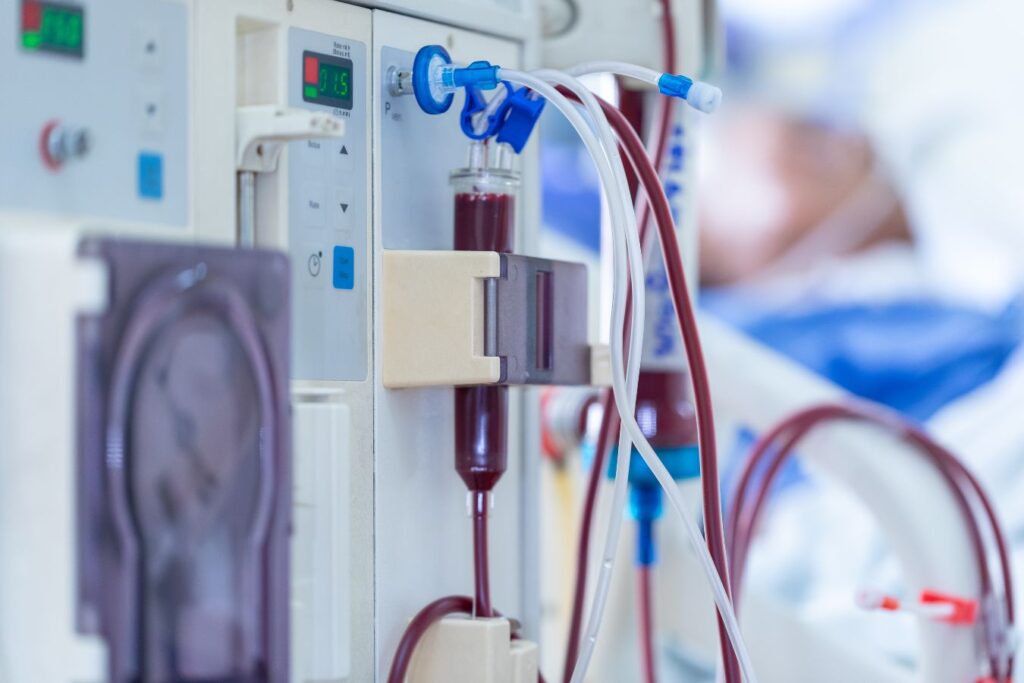
Advanced kidney disease occurs when declining kidney function starts to compromise day-to-day health, and without some form of renal replacement, long-term health is no longer sustainable. The term advanced kidney disease is used in lieu of the terms end-stage kidney/renal disease (ESKD/ESRD). Any distinction would be one of degree and severity, with the “end-stage” terms […]
Your Guide to Recurring Kidney Stones
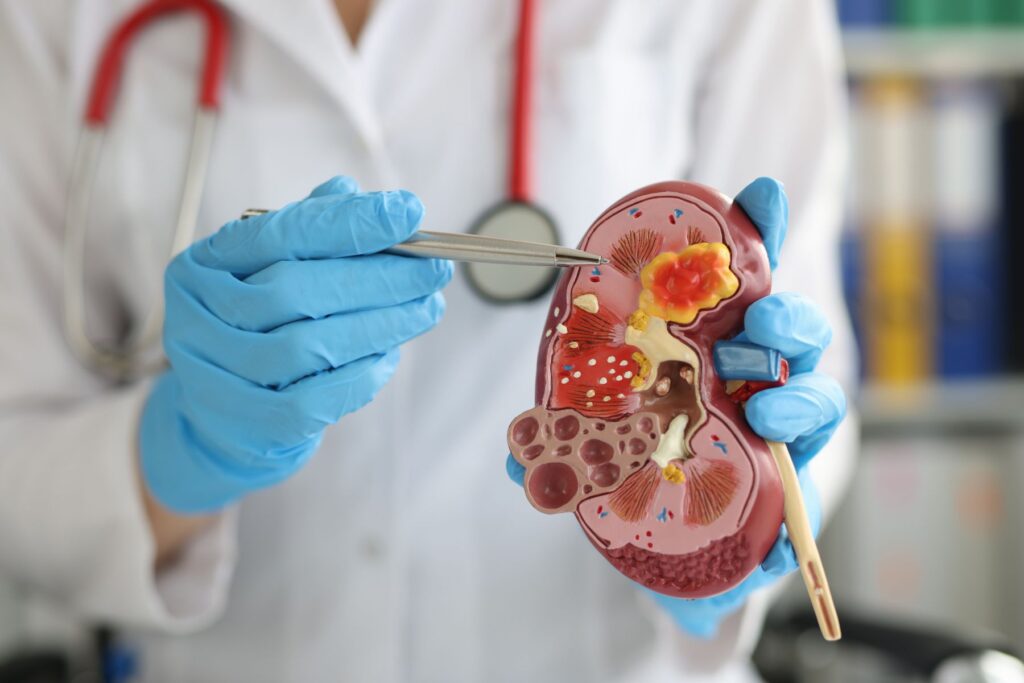
Once a kidney stone has formed and is causing symptoms, the situation is usually best managed by a urologist, who can address any obstruction to urine flow as well as the procedural aspects of stone removal. The role of a nephrologist in the management of kidney stones, also referred to as nephrolithiasis, is in treating […]
What Are Electrolyte Disturbances and Fluid Overload?

All forms of chronic kidney disease, once advanced enough, can cause fluid overload along with a number of electrolyte disturbances. In other words, these problems can be secondary to the CKD itself. Another type of kidney disorder, where the glomeruli leak significant amounts of protein into the urine, is called nephrotic syndrome. This process can […]