
If you’ve been following our recent blogs, you’ve probably noticed a recurring theme: the gut microbiome matters.
The trillions of bacteria, fungi, and other microorganisms that live in our digestive tract do much more than help digest food. They help regulate the immune system, produce beneficial compounds, protect the intestinal barrier, and influence inflammation throughout the body. In recent years, researchers have found that disruptions to this delicate ecosystem—called gut dysbiosis—may contribute to a growing list of chronic diseases, including diabetes, cardiovascular disease, autoimmune disorders, and chronic kidney disease.
A new study published in Proceedings of the National Academy of Sciences (PNAS) adds another important chapter to this story. Researchers from Ludwig Maximilian University of Munich (LMU Munich), the Max Planck Institute for Biological Intelligence, the Technical University of Munich, and the University of California, San Francisco (UCSF) took an important step toward answering a question scientists have been asking for years:
Can certain gut bacteria actually contribute to disease, or are they simply along for the ride?
Looking for Answers in Identical Twins
To investigate this question, researchers studied 81 pairs of identical twins where one twin had multiple sclerosis (MS), an autoimmune disease affecting the brain and spinal cord, while the other did not.
This study design was especially powerful because identical twins share nearly all of their genetics and much of their early-life environment. By comparing twins instead of unrelated individuals, the researchers were able to minimize many of the factors that often complicate microbiome research, allowing differences in gut bacteria to stand out more clearly.
The team discovered more than 50 bacterial groups that differed between the twins. But instead of stopping at identifying these differences, they asked a much more important question:
Could some of these bacteria actually influence disease?
Moving Beyond Observation
To help answer that question, researchers transplanted bacteria collected from the small intestine of selected participants into specially bred germ-free mice that are genetically prone to developing an MS-like autoimmune disease.
The results were striking.
Mice that received bacteria from people with multiple sclerosis were significantly more likely to develop disease than mice receiving bacteria from healthy twins. The researchers identified two members of the Lachnospiraceae family that appeared to play an important role in driving these immune responses in the animal model.
While these findings do not prove that these bacteria cause multiple sclerosis in humans, they provide some of the strongest evidence yet that specific gut microbes may actively influence immune function—not merely reflect disease after it develops. As the authors note, additional research is needed to confirm these findings and determine whether similar mechanisms occur in people.
Why Does This Matter for Kidney Health?
At first glance, a study on multiple sclerosis may seem unrelated to nephrology. In reality, it reinforces a concept we’ve discussed before: many chronic diseases share common pathways involving inflammation, immunity, and the gut microbiome.
For patients with chronic kidney disease, this connection is especially important.
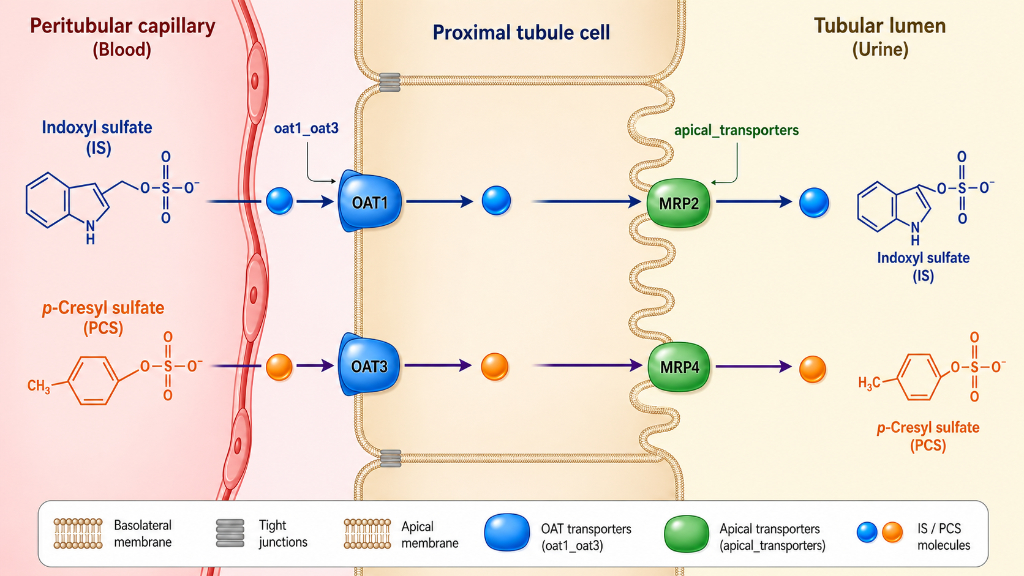
As kidney function declines, changes in the gut microbiome become increasingly common. Beneficial bacteria often decrease, while bacteria capable of producing harmful compounds become more abundant. These changes may increase the production of uremic toxins—substances that can accumulate when kidney function is reduced and contribute to ongoing inflammation and cardiovascular complications.
At the same time, many beneficial gut bacteria produce short-chain fatty acids, natural compounds that help maintain the intestinal lining, support immune balance, and reduce inflammation. This growing understanding of the gut-kidney axis continues to be one of the most exciting areas of kidney research.
Studies like this one remind us that the microbiome is not simply a collection of bacteria. It functions more like an ecosystem, where the balance between different organisms may influence health throughout the body.
What Can Patients Do Today?
Although researchers are still learning which bacteria are most beneficial—and how they might someday be targeted with personalized therapies—there are practical ways to support a healthier microbiome today.
A balanced diet rich in fiber, fruits, vegetables, and other plant-based foods (when appropriate for your stage of kidney disease), regular physical activity, good blood sugar control, and avoiding unnecessary antibiotic use all help promote a healthier gut environment.
If you have chronic kidney disease, it’s important to discuss any dietary changes with your nephrologist or renal dietitian so recommendations can be tailored to your individual needs.
Looking Ahead
Microbiome research is evolving rapidly. Just a decade ago, scientists were largely describing which bacteria were present in different diseases. Today, researchers are beginning to understand what those bacteria actually do—and how they interact with our immune system.
The work by Dr. Hongsup Yoon, Dr. Lisa Ann Gerdes, Dr. Hartmut Wekerle, Dr. Anneli Peters, and colleagues represents an important step in that direction. By combining human microbiome research with advanced laboratory models, they are helping uncover how specific microbes may influence disease rather than simply accompany it.
For patients living with kidney disease, these discoveries reinforce an encouraging message: caring for your gut health is another way of supporting your overall health. As research continues to advance, the microbiome may become an increasingly important part of preventing and treating chronic diseases—including those affecting the kidneys.
Reference
Yoon H, Gerdes LA, Beige F, et al. Multiple sclerosis and gut microbiota: Lachnospiraceae from the ileum of MS twins trigger MS-like disease in germfree transgenic mice—An unbiased functional study. Proceedings of the National Academy of Sciences (PNAS). 2025;122(18):e2419689122.